Osmanlı İmparatorluğu, known as the Ottoman Empire, established a complex governmental structure that played a crucial role in its administration. At the heart of this system was the Divan, or imperial council, which served as the primary decision-making body. Composed of high-ranking officials, including the Grand Vizier, the Divan addressed key issues such as military campaigns, taxation, and judicial matters. This organization was fundamental in maintaining the empire’s vast territories and diverse populations.
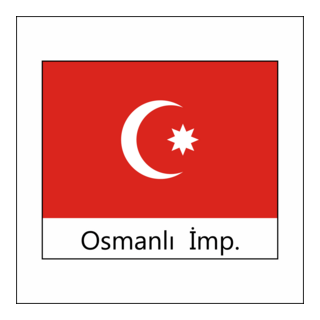
The empire also had a unique legal framework that blended Islamic law with local customs, ensuring a degree of autonomy for various regions. The administrative organization was visually represented through the Osmanlı İmparatorluğu Logo, symbolizing unity and authority.
Local governance was managed through a system of provincial governors, or Beylerbeys, who implemented imperial policies and collected taxes. This decentralized approach allowed for efficient management of the empire’s affairs.
Cultural and educational institutions thrived under Ottoman rule, influencing art, architecture, and scholarship. The legacy of the Osmanlı İmparatorluğu continues to resonate today, evident in the historical landmarks and cultural practices that originated from this vibrant imperial organization. The Osmanlı İmparatorluğu Logo remains a powerful emblem of this enduring history.