
Maarif Vekaleti, established during the late Ottoman Empire, served as the primary government body responsible for education and cultural affairs. The institution played a pivotal role in shaping the educational landscape, promoting the philosophy of modernity while preserving the rich heritage of the Ottoman language and culture, reflected in its name Maarif Vekaleti Osmanlıca. This ministry undertook significant reforms aimed at modernizing the education system, integrating Western-style curricula alongside traditional Ottoman teachings.
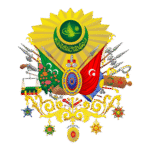
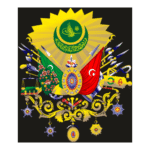
With the Maarif Vekaleti Osmanlıca Logo symbolizing its commitment to education and cultural integrity, the institution was instrumental in the foundation of schools throughout the empire, working to improve literacy rates and educational access for various demographics. It aimed to prepare students not just for local needs but also to compete on a global stage.
The ministry’s legacy continues to influence contemporary educational policies in Turkey, serving as a reminder of the delicate balance between tradition and progress. The Maarif Vekaleti’s efforts laid the groundwork for modern educational reforms that embrace both innovation and cultural identity, highlighting its enduring significance in the history of education in the region.