The National Fascist Party was a political organization established in Italy during the early 20th century. Founded in 1919 by Benito Mussolini, it emerged from the post-World War I societal discontent, advocating a strong centralized government and nationalistic ideologies. The party aimed to unify Italy under a totalitarian regime, emphasizing militarism and anti-communism while promoting a corporate state structure.
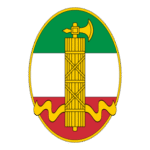
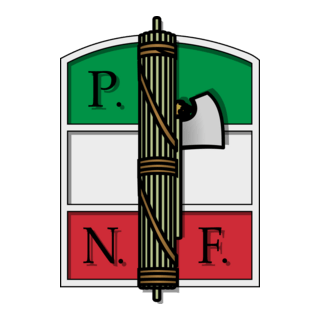
Key to its identity was the National Fascist Party Logo, a symbol that represented the strength and unity of the movement. This emblem became synonymous with Mussolini’s regime, often seen on banners, government buildings, and propaganda materials that glorified the fascist agenda. The party’s rise to power culminated in Mussolini’s appointment as Prime Minister in 1922, leading to a repressive political climate.
As a governing body, the National Fascist Party sought to control many aspects of Italian life, from the economy to cultural expression. Its policies often involved censorship and suppression of dissent, aiming to create a homogeneous national identity. The National Fascist Party Logo remains an infamous reminder of the authoritarian rule that shaped Italy’s history, symbolizing the extreme nationalism that characterized its era.