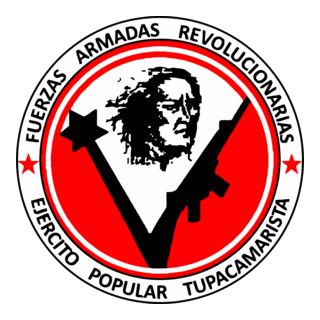
The Túpac Amaru Revolutionary Movement (MRTA) is a leftist guerrilla organization in Peru that emerged during the late 1970s, named after the last indigenous ruler of the Inca Empire. The movement sought to address socio-economic inequalities and promote socialist reforms, aiming to empower marginalized communities, particularly indigenous peoples. The Túpac Amaru Revolutionary Movement Logo symbolizes resistance against oppression and the aspiration for social justice, embodying the organization’s revolutionary spirit.
MRTA gained notoriety in the 1980s and 1990s for its actions against government forces and perceived capitalist interests in Peru. Unlike other insurgent groups, MRTA professed to be a political entity, emphasizing the need for a new socio-political order. The Túpac Amaru Revolutionary Movement Logo reflects not only their historical roots but also their commitment to creating a more equitable society.
The organization has faced significant challenges, including internal divisions and increased government crackdowns. While MRTA’s influence has waned over the years, the issues it championed remain relevant in contemporary discussions about inequality and indigenous rights in Peru. Their legacy continues to inspire new generations advocating for social change, keeping the spirit of Túpac Amaru alive in modern activism.